
Creating a comfortable and relaxing workspace at home is essential for anyone looking to boost productivity while maintaining well-being. With many people working remotely or spending more time on personal projects, having an environment that promotes focus without stress is more important than ever. This guide offers practical tips to transform your home workspace into a relaxing haven designed to help you stay productive and balanced throughout the day.
Why a Relaxing Workspace Matters
When your workspace is cluttered or uncomfortable, it can increase stress levels and reduce motivation. On the other hand, a calming and organized space encourages concentration and creativity. A relaxing workspace helps reduce distractions, limits burnout, and makes it easier to achieve your daily goals.
Choose the Right Location
Find a Quiet Spot
Select a space in your home that experiences minimal noise and foot traffic. This will help reduce interruptions and maintain your focus on tasks.
Maximize Natural Light
Natural light has a positive impact on mood and energy. Position your desk near a window if possible to benefit from sunlight. When natural light is limited, use soft, adjustable lighting to reduce eye strain.
Invest in Comfortable Furniture
Supportive Chair
Since you may spend long hours sitting, choose an ergonomic chair that supports your back and encourages good posture. Adjustable height and lumbar support make a big difference.
Functional Desk
Pick a desk that fits your space and needs. Ensure it has enough surface area for your computer, notebooks, and other essentials without feeling cluttered.
Declutter and Organize
Keep Only Essentials
Remove unnecessary items from your workspace. A tidy desk helps clear your mind and makes it easier to focus.
Use Storage Solutions
Incorporate shelves, drawers, or containers to store documents, office supplies, and tech gadgets. Label containers to quickly find what you need.
Maintain a Daily Cleanup Habit
Spend a few minutes each day putting things back in place to keep your workspace neat and inviting.
Add Elements That Promote Relaxation
Incorporate Plants
Indoor plants can improve air quality and create a calming atmosphere. Choose low-maintenance plants like succulents or peace lilies.
Personal Touches
Add a few personal items such as photos or artwork to make the space feel welcoming without overcrowding it.
Use Pleasant Scents
A subtle fragrance from essential oils or candles can help reduce stress. Lavender, eucalyptus, and lemon are popular choices for a relaxing workspace.
Minimize Distractions
Turn Off Notifications
Disable unnecessary notifications on your devices to prevent constant interruptions.
Use Noise-Canceling Headphones
If outside sounds are distracting, consider noise-canceling headphones or playing soft instrumental music to maintain focus.
Create a Routine and Boundaries
Set Clear Work Hours
Establish consistent start and stop times. This helps your mind switch into work mode and prevents burnout.
Take Regular Breaks
Step away from your desk periodically. Stretch, walk around, or practice brief mindfulness exercises to recharge.
Communicate Boundaries
If you share your home, inform others about your work hours to minimize disruptions.
Optimize Technology
Ergonomic Setup
Position your monitor at eye level and maintain a comfortable distance to reduce neck and eye strain.
Cable Management
Keep cords organized using clips or covers to prevent tangles and clutter.
Reliable Internet and Equipment
Ensure your internet connection is stable, and your devices are functioning well to avoid frustration.
Maintain Good Air Quality and Temperature
Fresh Air
If possible, open windows to refresh the room or use an air purifier.
Comfortable Temperature
Keep the temperature in your workspace comfortable—too hot or too cold can impact concentration and comfort.
Final Thoughts
Designing a relaxing home workspace is a blend of practicality and personal preference. The goal is to create an environment that supports your work habits, reduces stress, and encourages productivity. With these tips, you can make your home workspace a place you look forward to spending time in each day.
Remember, your workspace is an extension of your work style. Adjust these suggestions to fit your needs and watch how your focus and efficiency improve naturally.
Related Posts
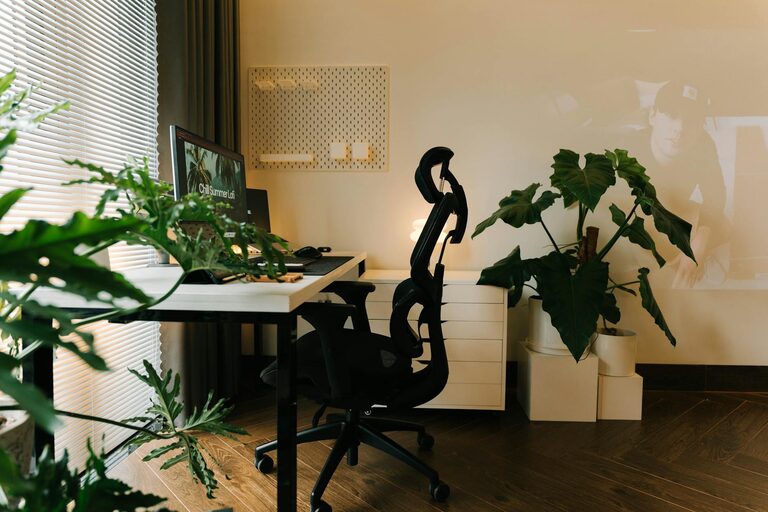
Tips for Creating a Cozy and Inviting Home Workspace
Creating a comfortable and inviting home workspace is key to…
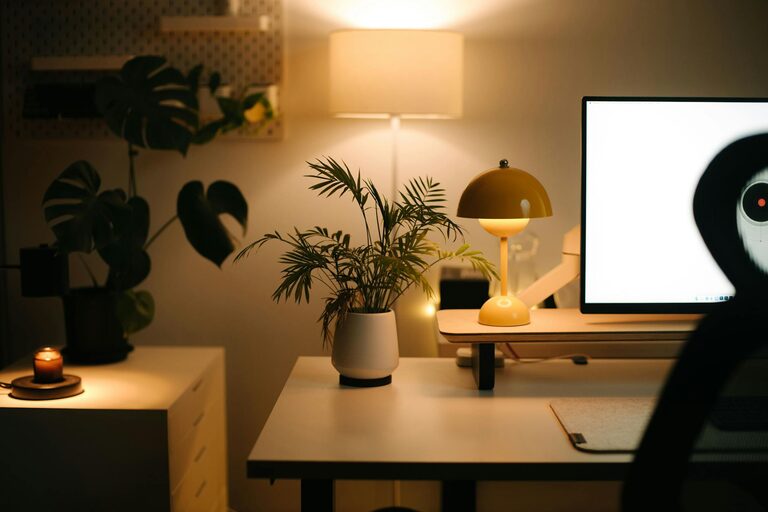
Tips for Creating a Cozy and Productive Home Office Space
Creating a home office that is both cozy and productive…
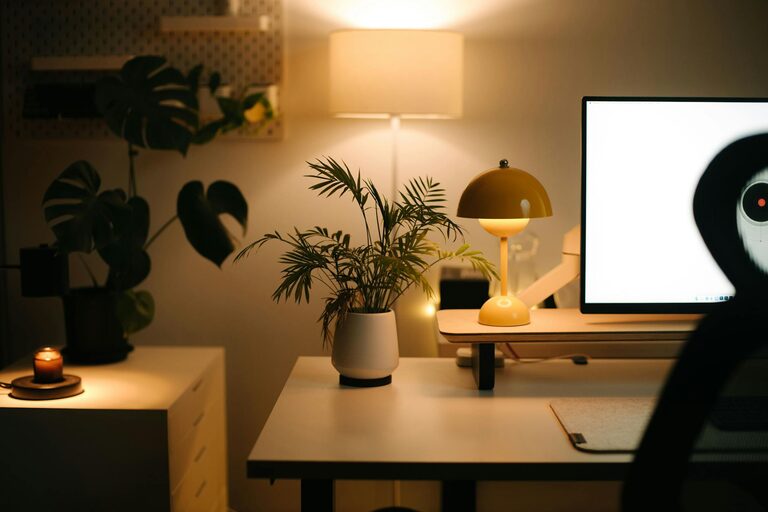
Tips for Creating a Comfortable and Productive Home Office Environment
Creating a comfortable and productive home office environment is essential…