
Creating a comfortable and productive home office environment is essential for anyone working remotely or managing tasks from home. A well-designed workspace not only enhances your efficiency but also supports your overall well-being. Whether you’re setting up a new office space or improving an existing one, these tips can help you create the perfect work environment.
Choose the Right Location
Start by selecting a quiet area in your home where you can focus without frequent interruptions. Ideally, pick a spot with natural light, as it can improve mood and reduce eye strain. Avoid places with heavy foot traffic or noisy appliances.
Invest in Ergonomic Furniture
Comfort is key when spending long hours at your desk. Choose a chair that supports your back and allows your feet to rest flat on the floor. Your desk should be at a height where your arms rest comfortably at a 90-degree angle. Consider accessories like footrests or ergonomic keyboards for additional support.
Optimize Lighting
Good lighting helps reduce eye fatigue and keeps you alert. Position your desk near a window for natural light, but use curtains or blinds to control glare. Add task lighting such as a desk lamp with adjustable brightness to ensure your workspace is well-lit during darker hours.
Organize and Declutter
A tidy workspace can boost focus and creativity. Use shelves, drawers, or organizers to keep your office supplies in order. Regularly clear your desk of unnecessary items to maintain a clutter-free environment. A clean space also makes it easier to find what you need quickly.
Personalize Your Space
Adding personal touches makes your workspace more inviting. Consider a few decorative items like plants, artwork, or photos that inspire you. Plants also improve air quality and add a touch of nature, which can increase your sense of calm.
Manage Technology Efficiently
Ensure that your computer, printer, and other devices are set up for easy access and use. Cable management solutions such as clips or sleeves help keep cords organized and prevent tangling. Backup your work regularly and maintain good internet connectivity to avoid disruptions.
Establish a Comfortable Climate
Temperature and ventilation affect comfort and concentration. Try to maintain a moderate room temperature and ensure proper airflow. If needed, use a fan, heater, or air purifier to improve the environment based on your needs.
Incorporate Break Areas
Including a small area where you can take short breaks away from your desk can improve productivity. Use this spot to stretch, relax your eyes, or have a quick snack. Stepping away from your work can reduce stress and reset your focus.
Set Boundaries and Routines
Clearly define work hours and communicate them with family or housemates to minimize distractions. Establishing routines helps create a psychological separation between work time and personal time, fostering better work-life balance.
Use Sound Control Methods
If you’re easily disturbed by noise, consider soundproofing your home office or using noise-canceling headphones. Playing soft background music or white noise can help mask distracting sounds and improve concentration.
Keep Hydrated and Nourished
Place a water bottle or glass nearby to encourage regular hydration. Healthy snacks within reach can help maintain energy levels without frequent trips to the kitchen that may break your focus.
Conclusion
By paying attention to these details, you can create a home office environment that supports both comfort and productivity. Remember, your workspace should reflect your personal needs and preferences, so feel free to adjust these tips to suit your lifestyle. A well-designed office not only improves your work quality but also helps you enjoy your time working from home.
Related Posts
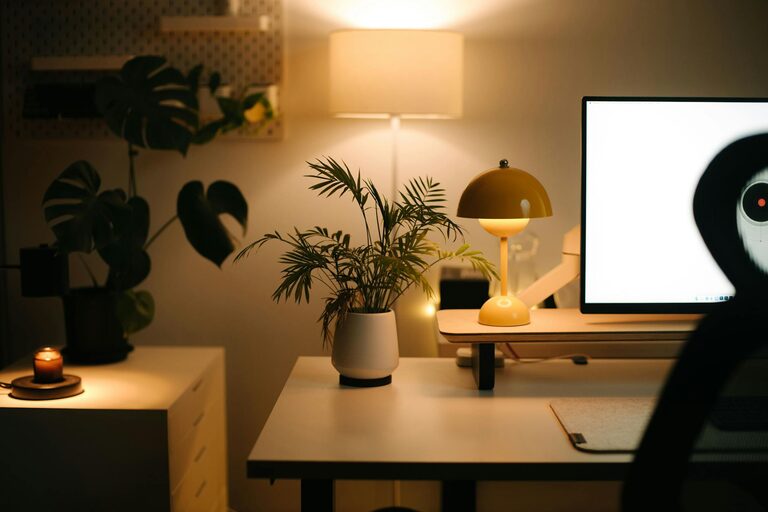
Tips for Creating a Cozy and Productive Home Office Space
Creating a home office that is both cozy and productive…
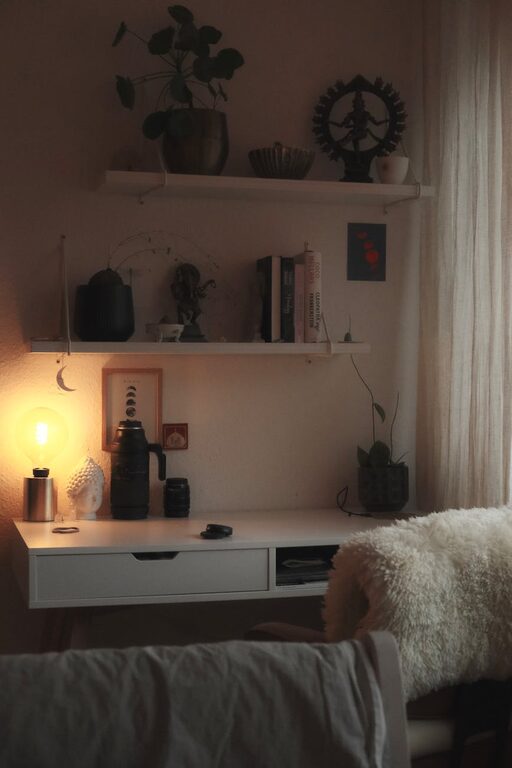
Tips for Creating a Relaxing Home Workspace to Boost Productivity
Creating a comfortable and relaxing workspace at home is essential…
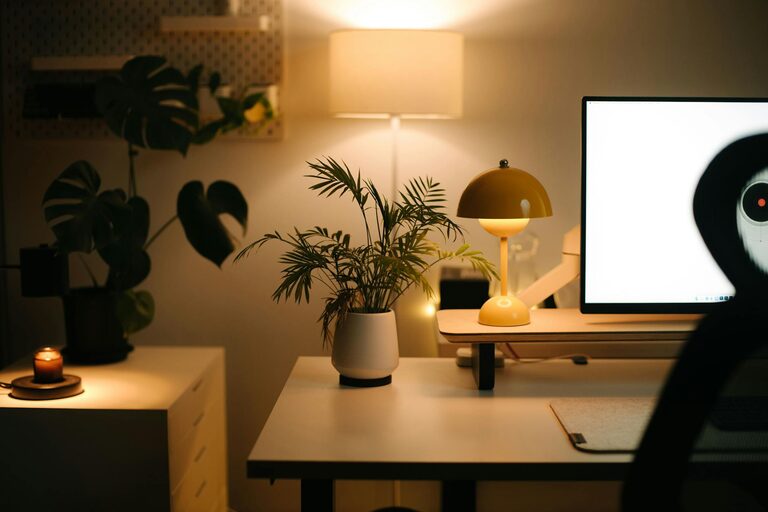
Tips for Creating a Cozy and Productive Home Workspace
Creating a cozy and productive home workspace is essential for…